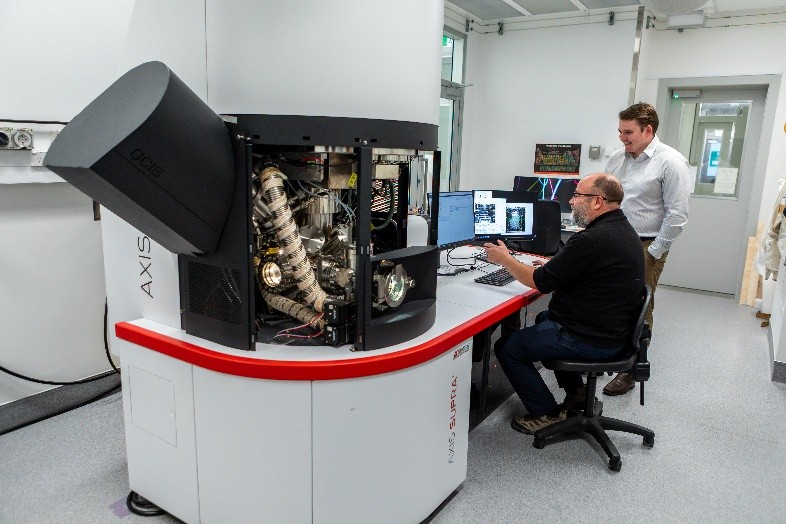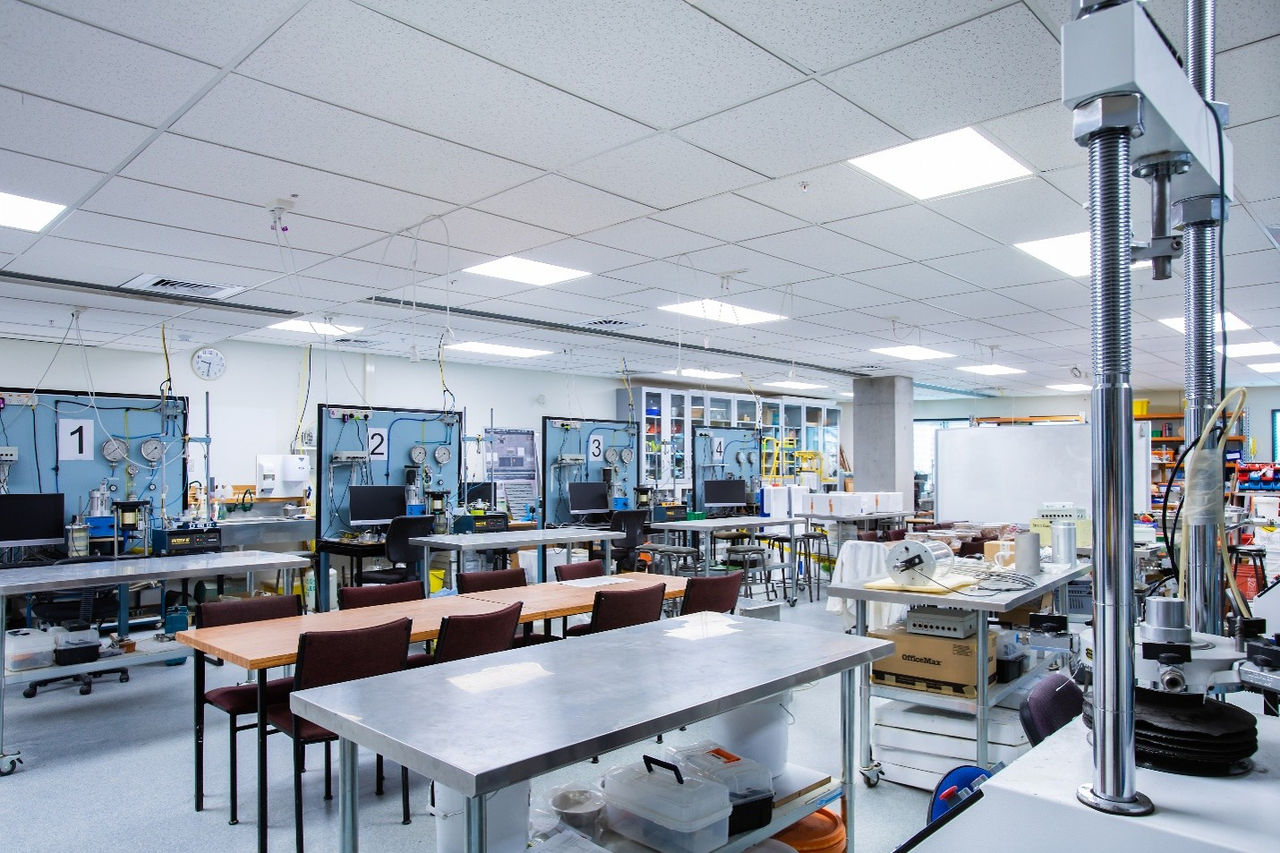


Photo caption: The Geomechanics Laboratory at the University of Canterbury.
Key points
- UC provides access to specialist geotechnical testing facilities and engineering expertise.
- Researchers work with clients to assess soils and ground conditions across a wide range of projects and environments.
- Testing results are combined with expert interpretation to support infrastructure design, risk management, and informed decision-making.
Supporting infrastructure, resilience, and development
University of Canterbury (UC) researchers work with industry, government agencies, and infrastructure providers to address complex geotechnical challenges, from initial site investigation and ground improvement options to natural hazard assessment and resilience planning.
Whether supporting new developments, evaluating existing infrastructure, or investigating ground conditions following natural disasters, researchers provide access to UC’s specialised facilities and internationally recognised expertise.
Advanced geotechnical capabilities
Researchers in UC's Department of Civil and Environmental Engineering work alongside organisations to better understand ground behaviour and manage geotechnical risks associated with their building or infrastructure projects.
Capabilities include soil characterisation, ground strength and deformation testing, liquefaction assessment, foundation performance evaluation, earth structure analysis, and geotechnical modelling. These approaches can be used to manage geotechnical challenges and risks throughout the life of a project.
This capability is particularly valuable where projects involve complex ground conditions, ‘problematic’ soils, natural hazards, large-scale earth structures such as dams and embankments, or site-specific engineering questions that require a more comprehensive approach to geotechnical assessment and design.
Expertise across disciplines
What sets UC apart is the combination of geotechnical engineering expertise with wider strengths in earthquake engineering, natural hazards, environmental science, data analysis, and infrastructure resilience.
Researchers work closely with clients to understand project objectives, identify appropriate testing and analysis methods, and interpret findings in the context of engineering performance and risk. This collaborative approach ensures organisations receive not only technical data but also actionable insights that support decision-making.
Turning data into impact
UC's geotechnical testing and engineering expertise supports outcomes ranging from safer infrastructure and improved asset management to natural hazard preparedness and sustainable land development.
By helping organisations understand how soils and geological materials behave under different conditions, researchers provide the evidence needed to inform design, reduce risk, and improve resilience in the built environment.
Talk to Dr Sean Rees about your geotechnical testing and engineering challenges or contact Research Connect to explore geotechnical expertise, advanced testing facilities and tailored approaches to help address complex ground, infrastructure, and natural hazard questions.
Last updated: September 2026
Related Topics
Research Commitments
Signature Capabilities
Sustainable Development Goals (SDGs)


Read other showcases
Take a look at our showcases to see UC’s research expertise in practice.