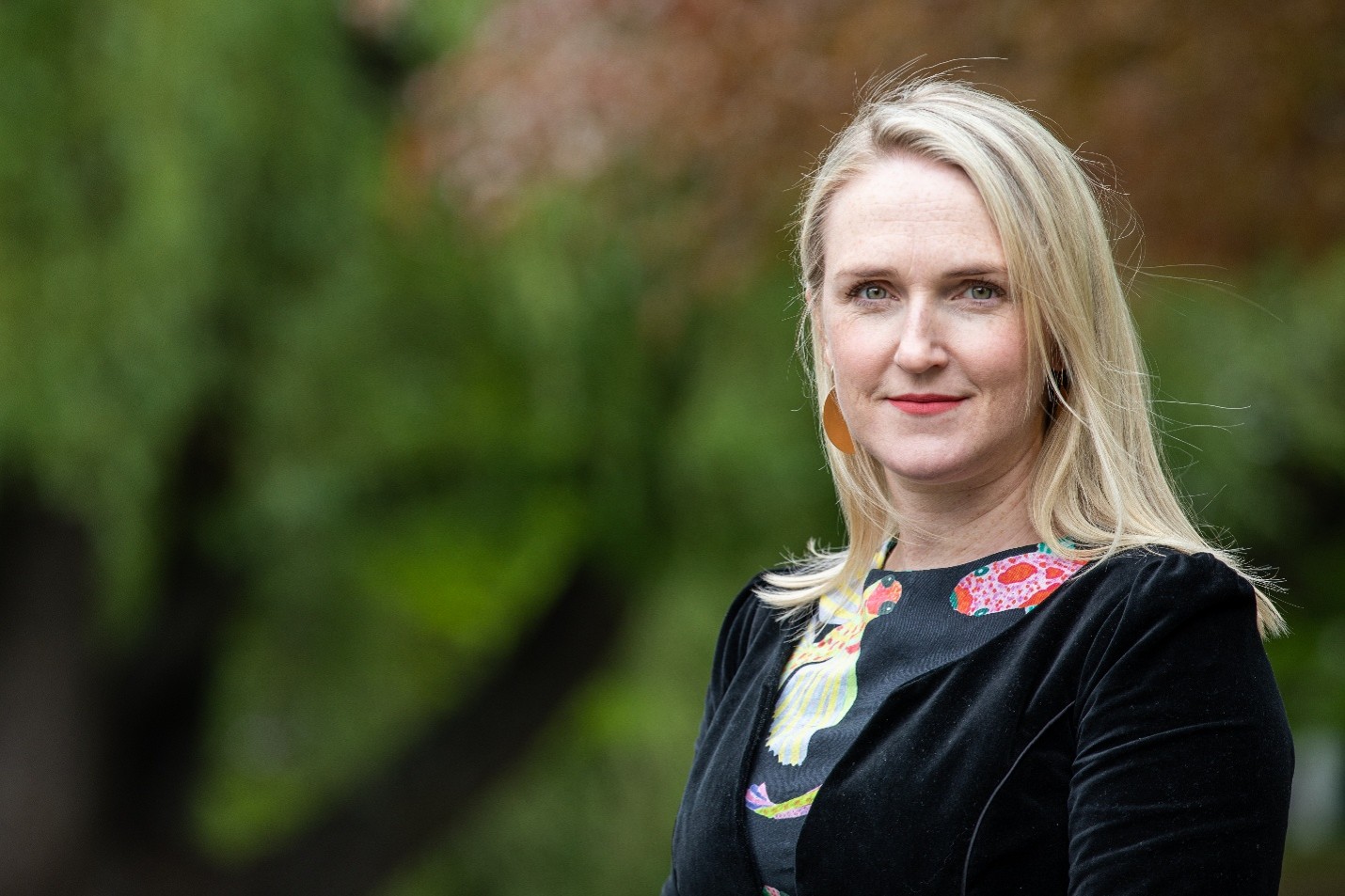


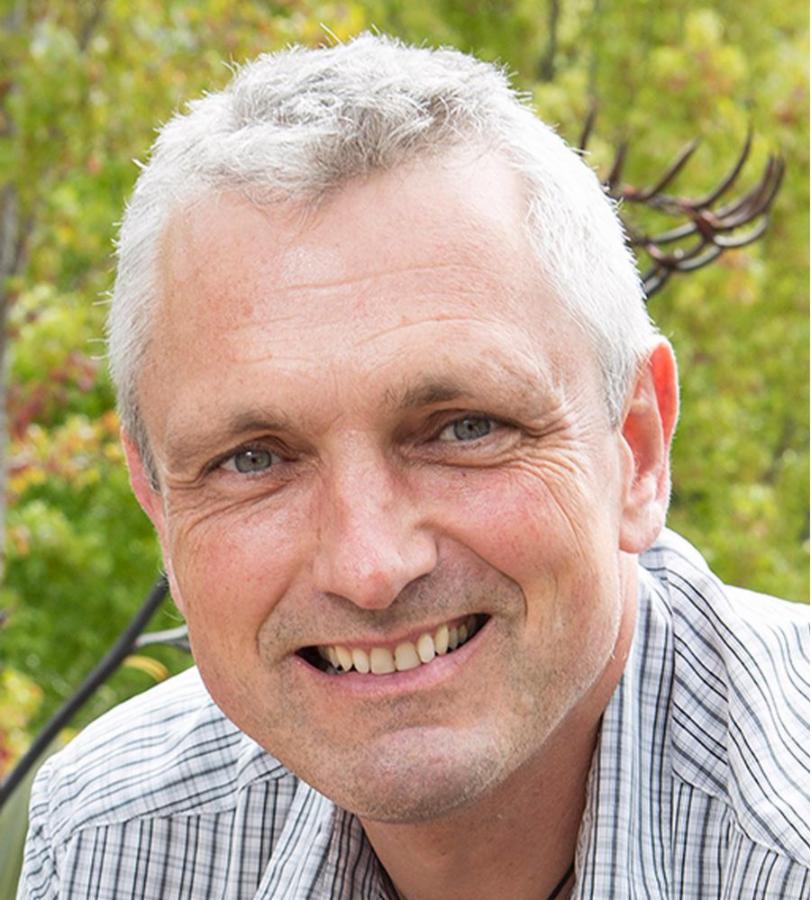
Photo caption: Professor Simon Kingham with a cargo bike.
Key points
- To increase the use of active transport such as cycling and walking, research found that a key factor was separation from traffic so that people could feel safe.
- Evidence from local and international studies has informed transport policy and cycling infrastructure investment in Ōtautahi Christchurch and beyond.
- Active transport infrastructure delivers multiple benefits, including lower carbon emissions, improved health outcomes, safer transport systems, and more liveable cities.
Understanding what gets people cycling
Transport is a major contributor to greenhouse gas emissions, particularly in cities where private vehicles dominate daily travel. Research led by University of Canterbury (UC) Professor Simon Kingham from the School of Earth and Environment, has focused on understanding how urban environments can better support sustainable transport choices and healthier communities.
Working closely with communities, councils, and government agencies, research examined the barriers preventing people from walking and cycling more frequently. A consistent finding was that safety is the critical factor influencing transport choices. People were significantly more willing to cycle when infrastructure provided clear separation from traffic, reducing both real and perceived risks. Further research found that people support changing street form to encourage walking, cycling, and social interaction.
By combining local evidence, community engagement, and international best practice, the research identified infrastructure designs most likely to encourage behaviour change. The work demonstrated that investment in safe, accessible cycling networks and changing street design can substantially increase active transport uptake while also delivering health, environmental, and economic benefits.
Influencing policy and building better cities
The impact of these findings can be seen in Ōtautahi Christchurch. In 2005, the city had a single cycleway. Today, it has more than 60 kilometres of dedicated cycling infrastructure, alongside planning policies that incorporate active transport options into new developments. Between 2016 and 2023, cycling participation increased by 30%, contributing to Ōtautahi Christchurch's recognition as one of the world's leading cycling cities.
The research has also helped shape transport policy nationally. Alongside his academic leadership at UC, Simon served as Chief Science Advisor to the New Zealand Ministry of Transport from 2018 to 2024, providing evidence-based advice on transport planning, infrastructure investment, transport equity, road safety, and low-carbon transport transitions. This role strengthened the connection between research, policy, and practice, helping ensure that scientific evidence informed decisions about Aotearoa New Zealand's transport future.
Simon’s research has also informed transport policy discussions internationally. The findings have been cited in policy documents across 20 countries and by numerous intergovernmental organisations, highlighting the global relevance of evidence linking active transport infrastructure to healthier, more sustainable urban environments.
The research provides a strong evidence base for cities seeking to reduce emissions, improve public health, and build more sustainable transport systems. By showing that infrastructure design directly influences travel behaviour, it offers practical pathways for creating healthier communities and supporting the transition to low-carbon cities.
Talk to Professor Simon Kingham about sustainable transport, active travel, cycling infrastructure, and transport policy, or contact Research Connect to explore opportunities to work with UC on transport planning, urban sustainability, and low-carbon transitions.
Last updated: September 2026
Related Topics
Research Commitments
Sustainable Development Goals (SDGs)



Read other showcases
Take a look at our showcases to see UC’s research expertise in practice.