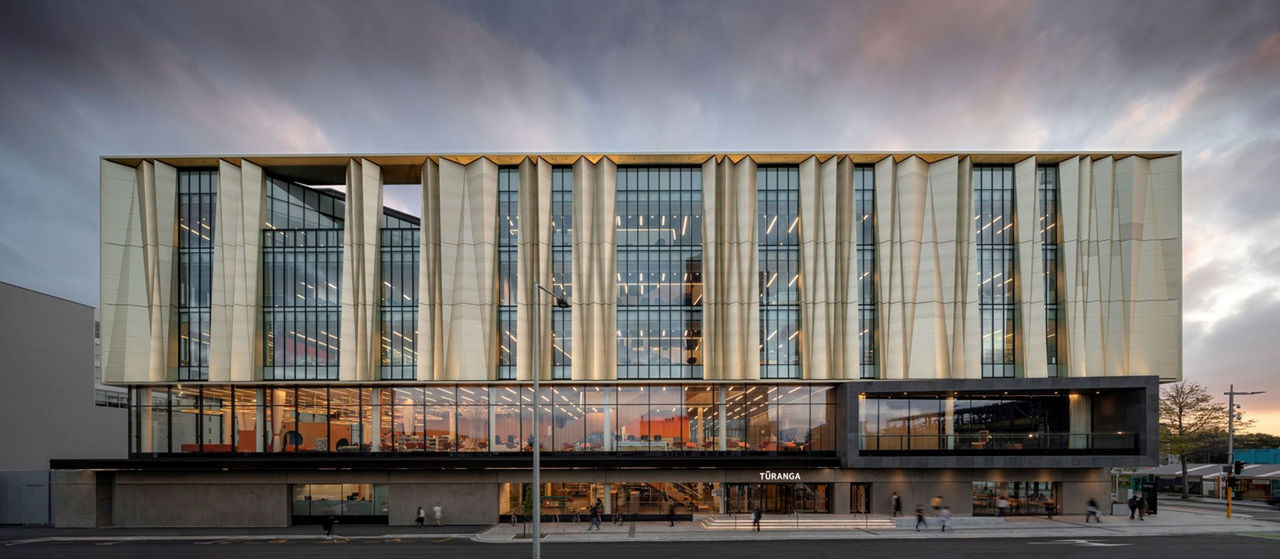


Photo caption: Tūranga central library is built with earthquake technology to increase resilience. Photo credit: Adam Mork/ Architectus and Schmidt Hammer Lassen.
Key points
- UC engineers developed seismic dampers that support buildings to take a major earthquake undamaged and stay usable.
- The dampers are already fitted in Ōtautahi Christchurch's Forté Health hospital and Tūranga central library.
- The technology supports a shift in earthquake design from saving lives alone to keeping buildings working and recovering faster.
Engineering Innovation Redefines Earthquake Resilience
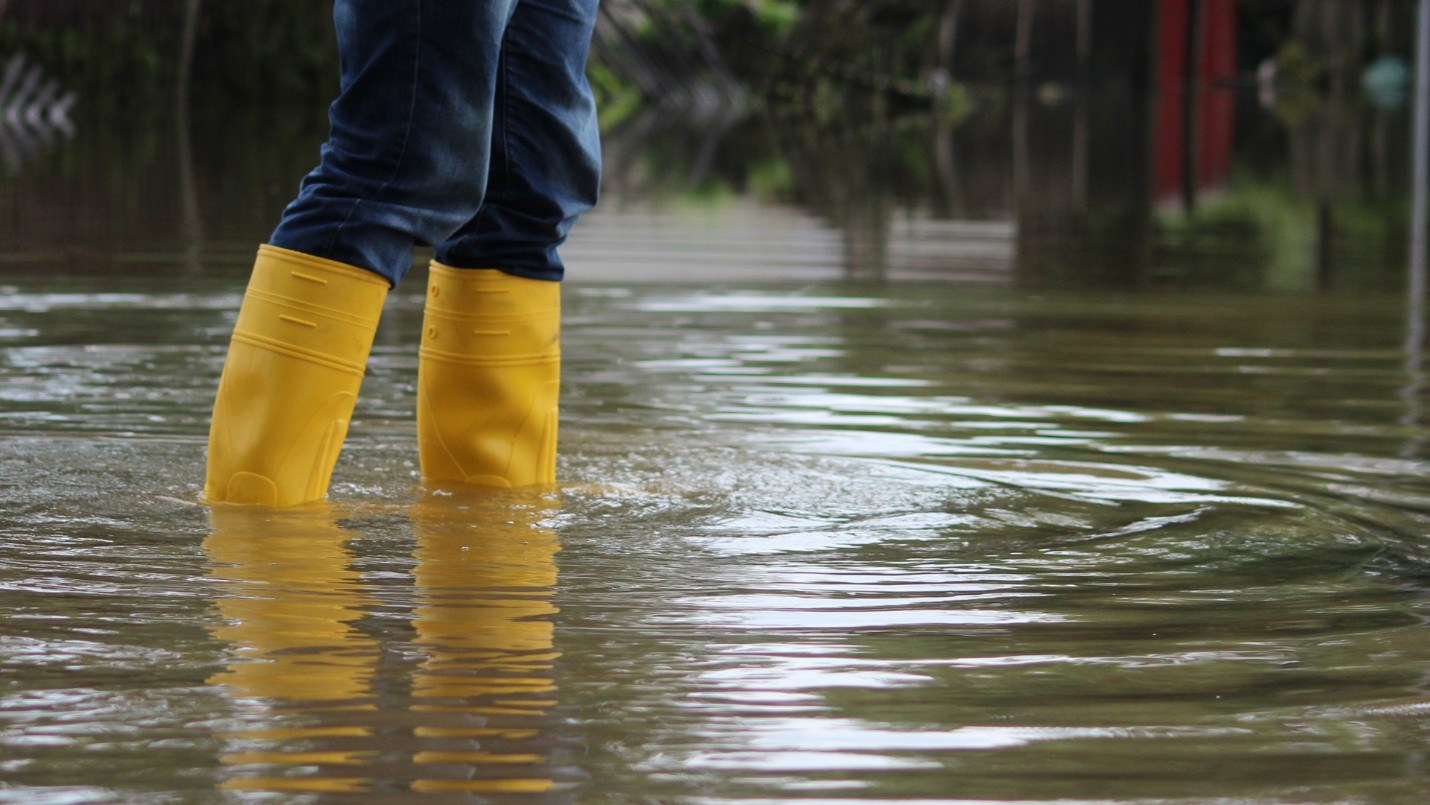
When the Canterbury earthquakes struck in 2010 and 2011, most buildings in Ōtautahi Christchurch stayed up. Many were pulled down anyway, deemed too damaged to repair economically. Standard building codes prioritise keeping people alive by allowing components of a structure to undergo damage during earthquake shaking. Ensuring a building is safe from collapse is a key priority, but it does not always mean that the building will be usable or easily repairable following an earthquake. University of Canterbury (UC) researchers have been designing solutions to make buildings more resilient.
A New Approach to Seismic Protection
Professor Geoff Rodgers from the Faculty of Engineering, working with Distinguished Professor Geoff Chase, developed dampers that move like pistons in an earthquake and absorb the seismic energy. Unlike conventional systems that protect a building by letting parts of it suffer damage, these dampers come through a severe earthquake undamaged and need no repair, so the building keeps working.
A building that can offer continued occupancy. A building that can offer continued occupancy. spares owners not only a repair bill but also the cost of relocating or closing businesses. The benefits go beyond individual buildings – buildings that can be occupied following an earthquake means a faster recovery for whole communities and cities, avoiding much of the disruption that Ōtautahi Christchurch lived through. That is what resilience means here, not just surviving an earthquake but remaining functional through it.
Designing the Next Generation of Resilient Buildings
The dampers are already incorporated into real buildings. Forté Health hospital was the first to use them, built into a rocking-wall design, and they have since gone into Tūranga central library, delivered through UC's work with consulting engineers Lewis Bradford and contractors Southbase. They have also been used overseas in a housing project in San Francisco. Geoff’s research has earned him the Royal Society Te Apārangi Early Career Research Excellence Award and the University of Canterbury Innovation Medal.
We can't modify the way the ground shakes, that's the hand we've been dealt, but we can modify the way in which structures respond to that shaking.– Professor Geoff Rodgers
Geoff and colleagues are now developing other seismic damping and resilient force transfer systems that support modular building systems designed to go up quickly and combine sustainability with resilience, remaining usable following a major quake.
Talk to Professor Geoff Rodgers about low-damage seismic design or connect with UC Engineering through Research Connect to explore opportunities for collaboration.
Last updated: September 2026
Related Topics
Sustainable Development Goals (SDGs)
Contact


We gratefully acknowledge a range of national and international government and industry research funding that has enabled this research.
Read other showcases
Take a look at our showcases to see UC’s research expertise in practice.