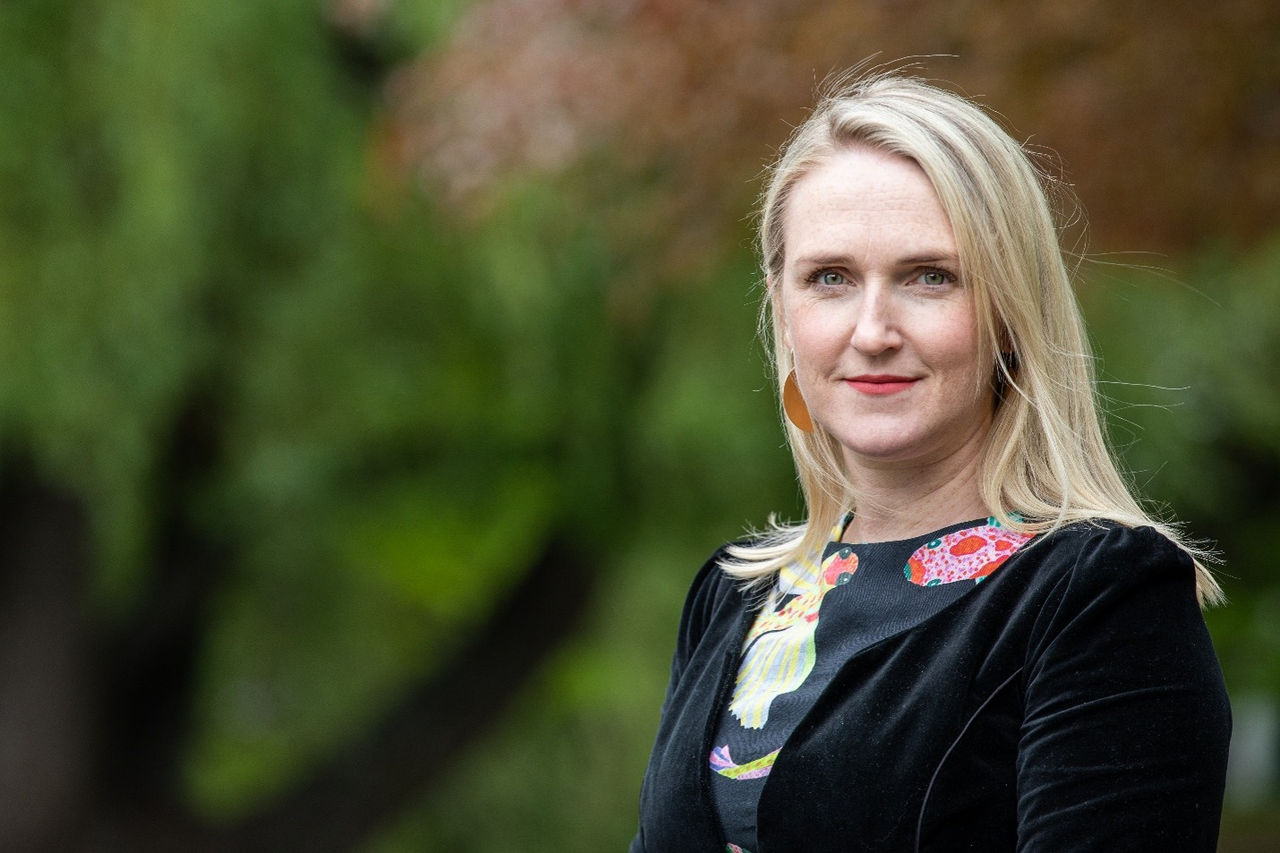


Photo caption: Professor Elizabeth Macpherson
Key points
- UC researchers are designing legal frameworks that enable nature-based climate solutions, including the protection and restoration of coastal wetland carbon sinks.
- Te Tiriti partnerships, Māori rights, and rangatiratanga in environmental and climate decision-making sit at the centre of the research.
- This environmental law and policy research is informing governments, courts, and intergovernmental organisations in Aotearoa New Zealand and internationally.
Rethinking legal frameworks for climate action
University of Canterbury (UC) researchers are examining how environmental law can respond to the climate crisis while centring Indigenous rights and sustainable ecosystem management.
Professor Elizabeth Macpherson of the Faculty of Law focuses on the intersection of climate change, environmental governance, and Indigenous rights, addressing complex issues that are not fully resolved within existing legal and policy frameworks.
Unlocking nature-based climate solutions
Aotearoa New Zealand is not on track to meet local or international carbon emissions reduction goals and yet there is unutilised potential in the form of coastal and marine ecosystems which can contribute to climate mitigation through "blue carbon" storage.
Despite Aotearoa New Zealand having a vast marine environment and formally extensive coastal wetland ecosystems, there is minimal legal or policy support for restoring wetlands and recognising them as powerful carbon sinks. Elizabeth is designing legal frameworks to support protection and restoration of coastal wetlands thereby fast-tracking emissions reduction with a nature-based solution.
Embedding Indigenous rights in environmental governance
Elizabeth's work foregrounds Te Tiriti o Waitangi (The Treaty of Waitangi), Māori rights, relationships, and rangatiratanga (authority) across marine and coastal environments.
Working in partnership with iwi (tribes), hapū (sub-tribes), and Indigenous communities, her research explores how environmental governance can better recognise Indigenous knowledge systems and support equitable decision-making. Her work on Indigenous water rights and the legal recognition of rivers has contributed to international discussions on innovative approaches to environmental stewardship.
Influencing policy and practice
Elizabeth has led major interdisciplinary research programmes examining environmental governance and marine management in Aotearoa New Zealand.
Her research has informed policy discussions and decision-making nationally and internationally, with work cited by governments, policymakers, and organisations including the World Bank and the United Nations Economic Commission for Europe. She is the author of Indigenous Water Rights in Law and Regulation: Lessons from Comparative Experience (Cambridge University Press) which received the Te Apārangi Royal Society of New Zealand Early Career Researcher award and the Law and Society Association of Australia and New Zealand Prize for the most outstanding book.
Delivering impact through legal research
Through a focus on environmental law and policy reform, Elizabeth's research seeks to create systemic change that supports climate resilience, healthy ecosystems, and Indigenous rights.
Aotearoa has the chance to devise bold environmental policies for tailored implementation across the globe; if we act now with deliberation and care, our example will make waves.
– Professor Elizabeth Macpherson
By addressing the legal dimensions of climate adaptation, water governance, and nature-based solutions, her work is helping shape policy responses to some of the most significant environmental challenges facing society.
Talk to Professor Elizabeth Macpherson about environmental law, climate adaptation, Indigenous rights, blue carbon, and water governance, or contact Research Connect to explore opportunities to work with UC on environmental policy and legal reform.
Last updated: September 2026
Related Topics
Sustainable Development Goals (SDGs)


Contact
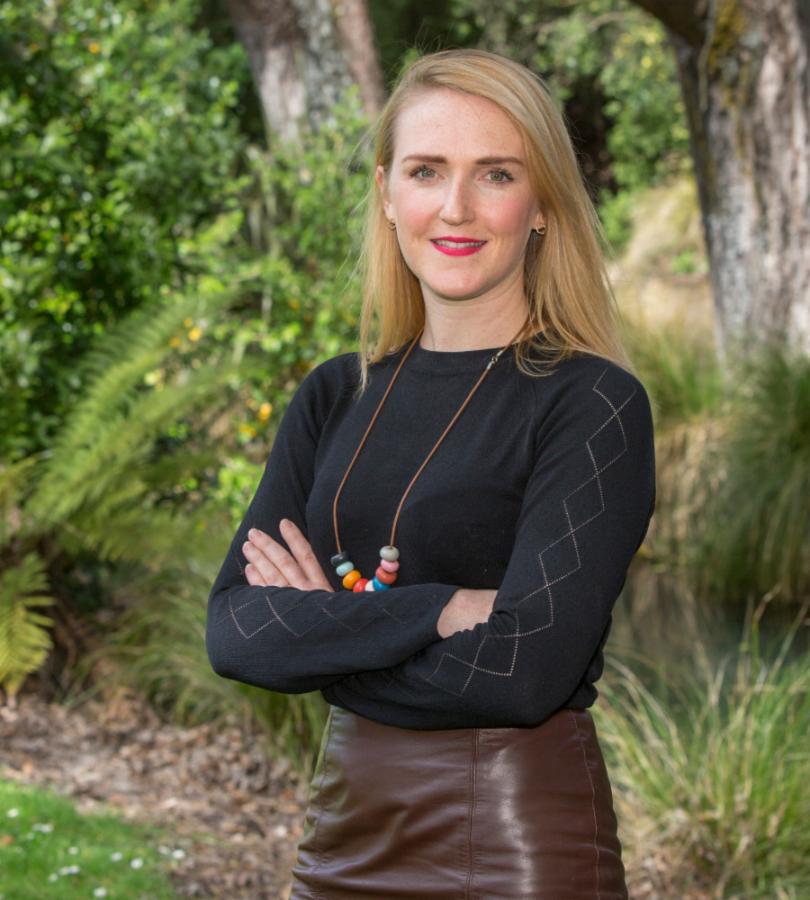

We gratefully acknowledge funding from Te Apārangi The Royal Society (Rutherford Discovery Fellowship)
Read other showcases
Take a look at our showcases to see UC’s research expertise in practice.
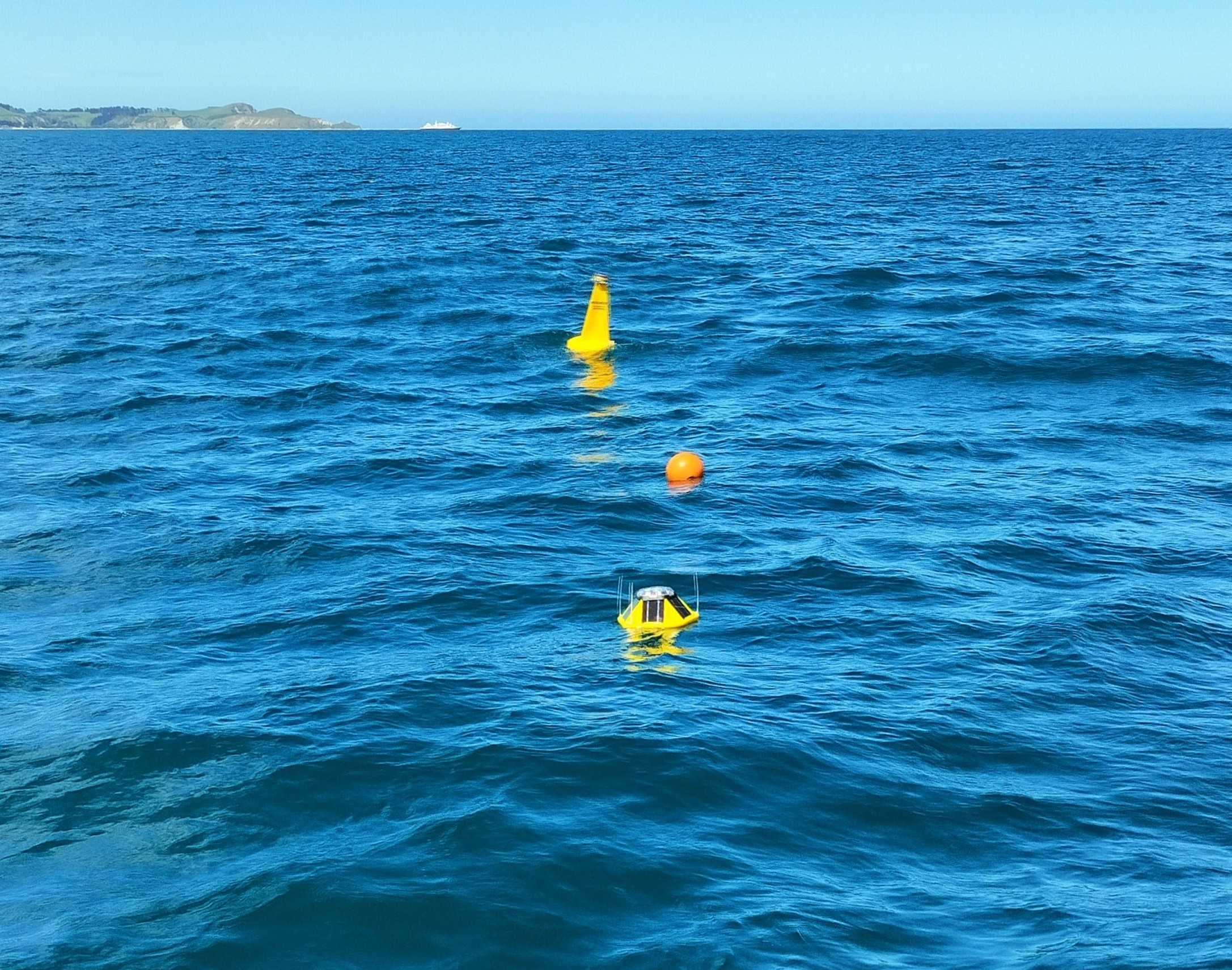
Wave data strengthening coastal resilience
A wave monitoring network is transforming how New Zealand manages coastal hazards, climate adaptation, and marine safety.
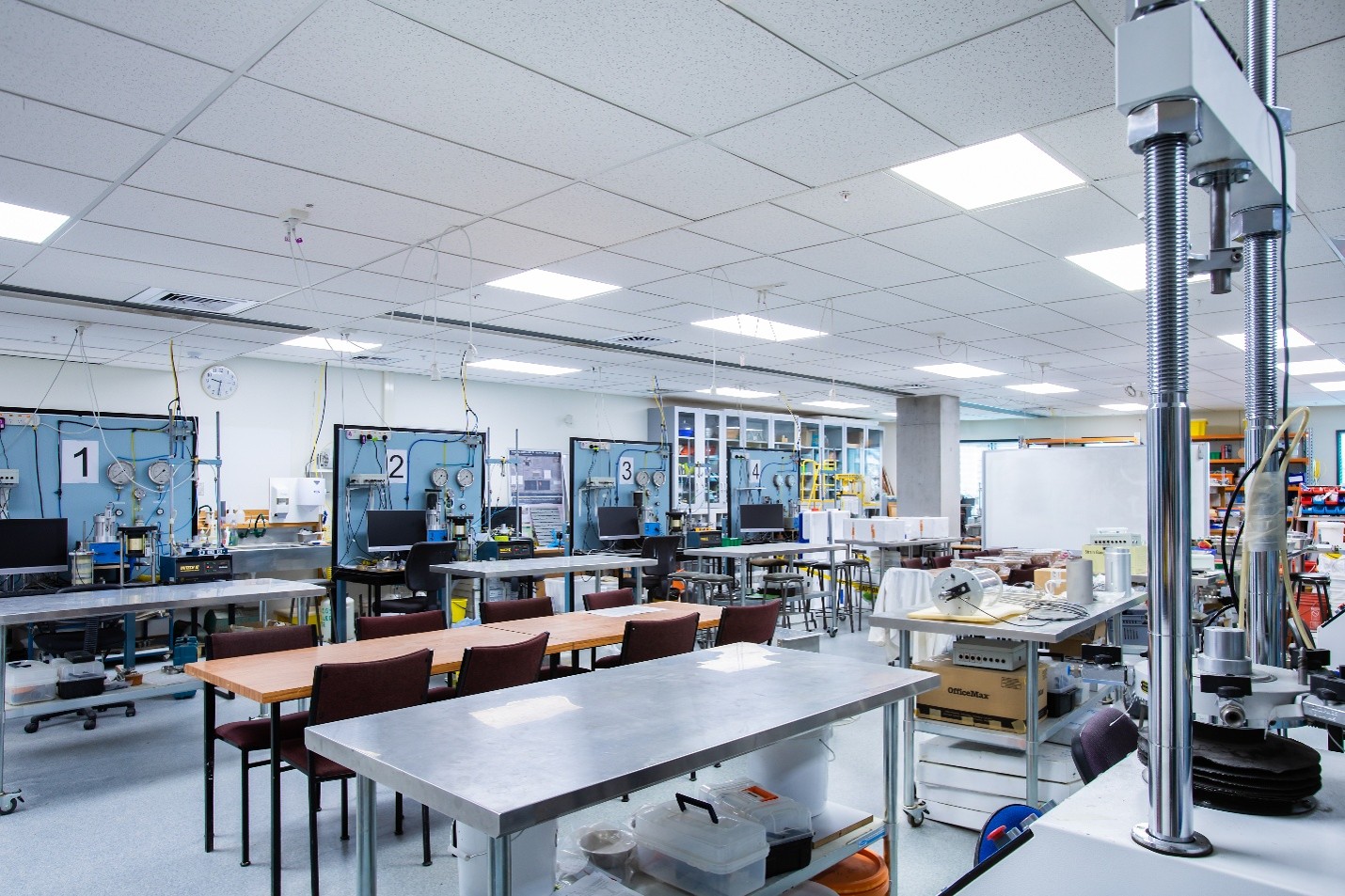
Geotechnical testing and engineering expertise
UC provides specialist geotechnical testing and advice to support a safer, more resilient built environment.
Advanced analytical services
UC researchers provide specialist analytical testing and characterisation services for research, industry, and government.
Usable buildings after earthquakes
Engineers are designing mechanical solutions that enable buildings to come through earthquakes without needing repair.

Transport innovation for healthier cities
UC research shows changing how we design and use our streets can lead to healthier communities and more sustainable cities.

Smarter irrigation through artificial intelligence
UC researchers are helping farmers optimise irrigation by monitoring soil moisture across whole farms.

Smarter flood risk assessments
UC researchers are using advanced flood modelling to improve understanding of flood risk and preparation for extreme events.
Strengthening Christchurch as Antarctic gateway
UC researchers are revealing the value of Christchurch's Antarctic workforce and opportunities for strengthening the sector.

Tree canopy data for better planning
UC researchers measured tree canopy in towns and cities to enable councils to maximise the benefits of urban tree cover.