


Photo caption: Christchurch Airport, the gateway to Antarctica and a key hub for Antarctic logistics.
Key points
- An Australasian research team is mapping the people, skills, and organisations that support Antarctic activities, both on the ice and from Aotearoa New Zealand.
- The findings highlight the significant economic, scientific, and operational contributions of the Antarctic workforce to Ōtautahi Christchurch and Aotearoa New Zealand.
- To ensure the longevity of the Antarctic sector, the research identifies opportunities for strengthening workforce development, collaboration, and skills pathways.
Understanding the Antarctic workforce
Ōtautahi Christchurch is known internationally as an Antarctic gateway city because of the important role it plays in facilitating access to the continent and supporting associated activities. Researchers at the University of Canterbury (UC) are part of a team building a clearer picture of the people, skills, and organisations that support Antarctic-related activities from Aotearoa New Zealand. Led by UC graduate Dr Hanne Nielsen of the University of Tasmania, working with Professor Daniela Liggett, head of the School of Earth and Environment at UC, and other colleagues from UC and Lincoln University, the research highlights the broad range of roles that contribute to Antarctic operations. Numerous scientists, logistics specialists, educators, tourism operators, tradespeople, and port workers undertake Antarctic-related activities based in Ōtautahi Christchurch, demonstrating that Antarctica relies on a much larger workforce than those on the continent itself.
Supporting economic and regional growth
The Antarctic sector also contributes significantly to Ōtautahi Christchurch and Aotearoa New Zealand through employment, specialist expertise, and economic activity.
When people think about Antarctica, they often focus on those working on the ice. Our research shows that Antarctica depends on a much larger community of people and organisations whose skills, expertise, and dedication support Antarctic activity from gateway cities like Christchurch.
– Professor Daniela Liggett
By identifying the scale and diversity of Antarctic-related work, the research provides valuable evidence to support workforce planning, skills development, and future investment in the sector. It also highlights the importance of recognising and promoting the capabilities that exist across the Antarctic community.
Strengthening collaboration and capability
A key finding of the research is the opportunity to build stronger connections between organisations operating across Antarctic affairs globally.
The work identifies ways to improve collaboration, increase awareness of existing expertise, and create stronger pathways between education, training, research, logistics, and industry. These connections can help maximise the benefits of Ōtautahi Christchurch's Antarctic gateway role and support future workforce needs.
Supporting Antarctica's future
As Antarctica continues to be impacted by environmental, geopolitical, and scientific challenges, effective collaboration and strategic planning are increasingly important.
The research highlights the value of linking local, national, and international priorities, supporting skills development, and fostering connections between Antarctic gateway cities. These approaches can ensure Antarctica continues to be supported as a place of science, cooperation, and environmental stewardship.
Developing the next generation
UC plays an important role in preparing future Antarctic professionals through research-led education and specialist programmes offered by Gateway Antarctica – UC's Centre for Antarctic Studies and Research.
Through teaching, research, and international partnerships, UC contributes to developing the knowledge and skills needed to support Antarctic science, policy, logistics, and environmental management.
Talk to Professor Daniela Liggett about Antarctic workforce development, Antarctic gateway cities, and the future of Antarctic collaboration.
Last updated: September 2026
Related Topics
Research Commitments
Signature Capabilities
Sustainable Development Goals (SDGs)




Read other showcases
Take a look at our showcases to see UC’s research expertise in practice.
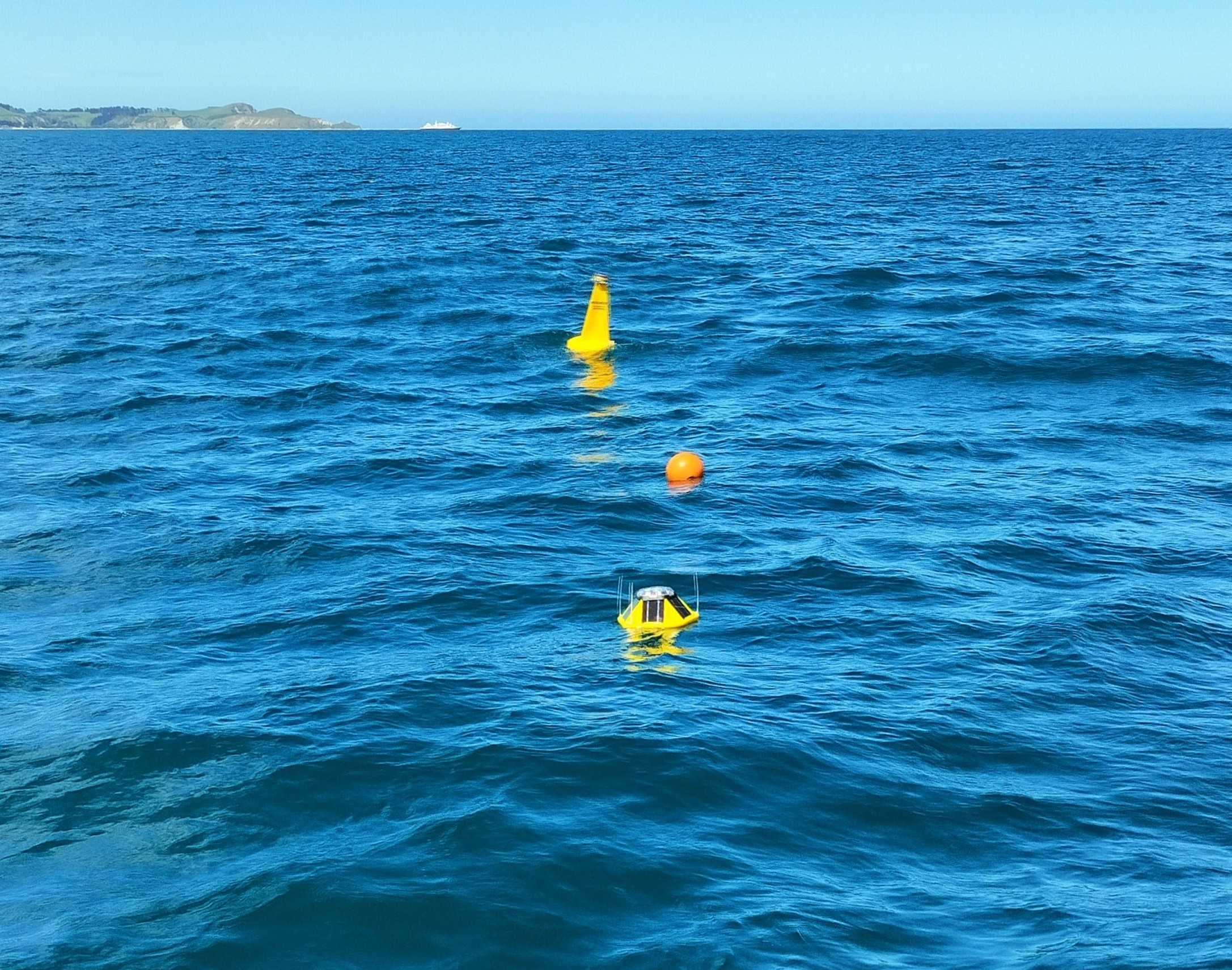
Wave data strengthening coastal resilience
A wave monitoring network is transforming how New Zealand manages coastal hazards, climate adaptation, and marine safety.
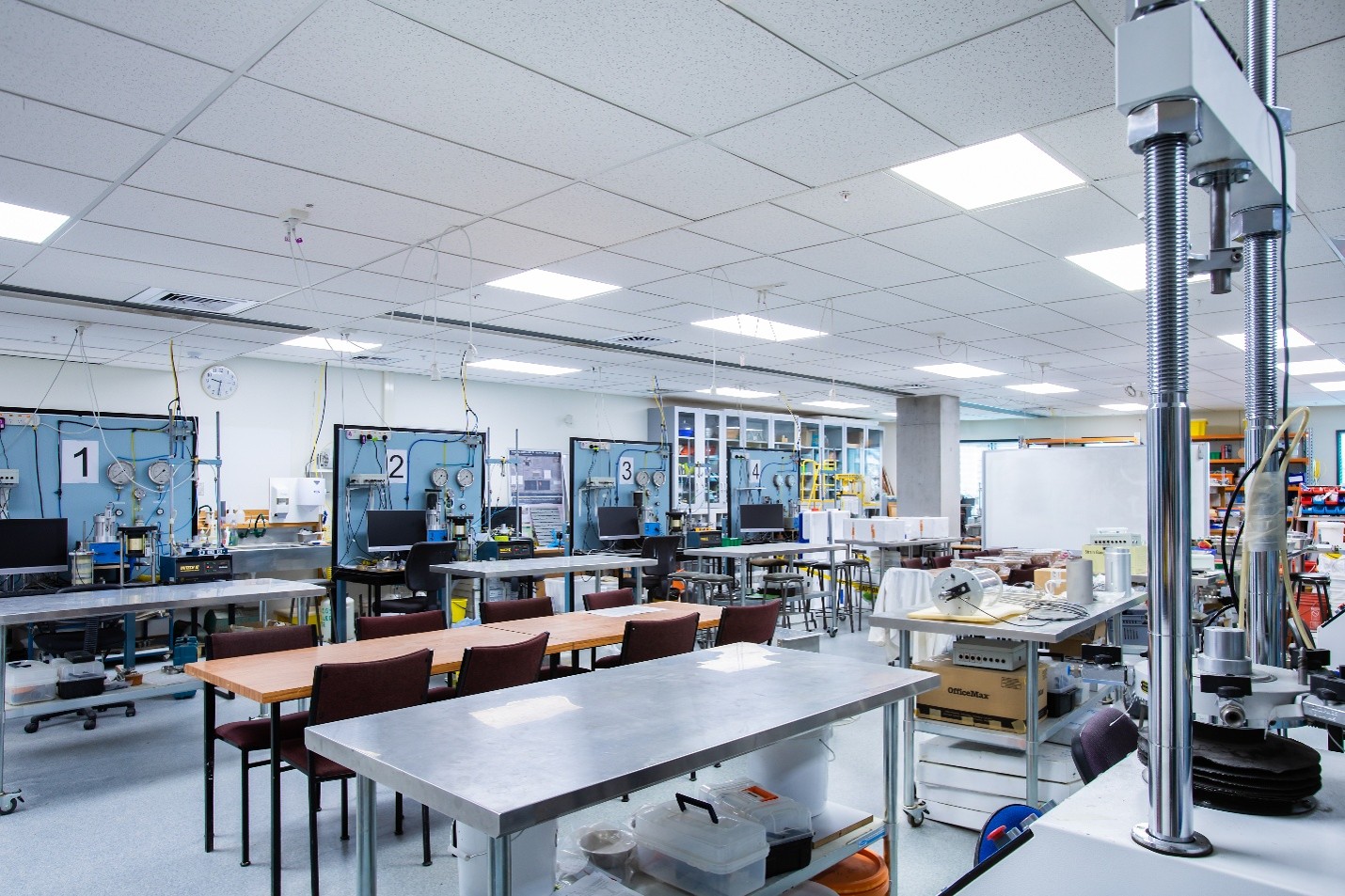
Geotechnical testing and engineering expertise
UC provides specialist geotechnical testing and advice to support a safer, more resilient built environment.
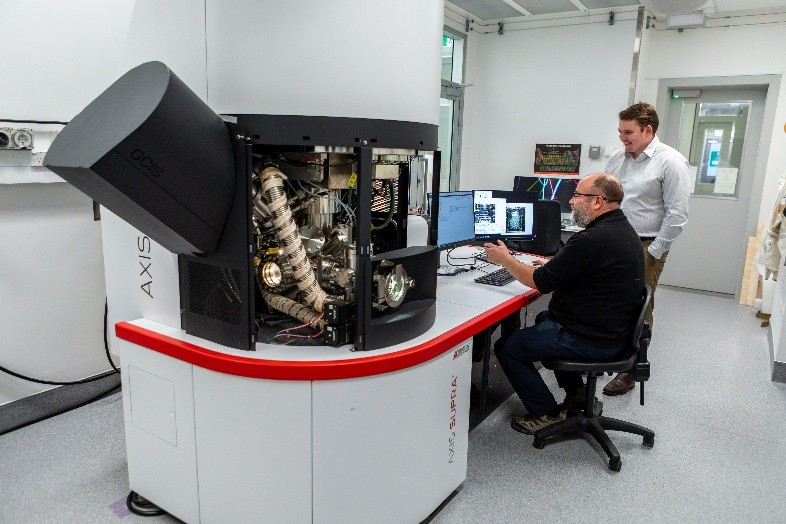
Advanced analytical services
UC researchers provide specialist analytical testing and characterisation services for research, industry, and government.
Transforming law for climate action
UC research is shaping laws and policies that support environmental protection and restoration to fast-track climate action.
Usable buildings after earthquakes
Engineers are designing mechanical solutions that enable buildings to come through earthquakes without needing repair.

Transport innovation for healthier cities
UC research shows changing how we design and use our streets can lead to healthier communities and more sustainable cities.
Smarter irrigation through artificial intelligence
UC researchers are helping farmers optimise irrigation by monitoring soil moisture across whole farms.

Smarter flood risk assessments
UC researchers are using advanced flood modelling to improve understanding of flood risk and preparation for extreme events.
Tree canopy data for better planning
UC researchers measured tree canopy in towns and cities to enable councils to maximise the benefits of urban tree cover.